Summary (‘Boost Your Growth: 5 Marketing Strategies for Small Business’)
- Small business marketing doesn’t require a massive budget—simple, consistent strategies like local SEO, content marketing, and reviews can drive steady growth.
- Optimizing your Google Business Profile and collecting customer reviews helps local customers find and trust your business when they’re ready to buy.
- Content marketing, blogging, and email campaigns build long-term relationships by answering customer questions and establishing credibility.
- Focused social media efforts and hyper-targeted paid ads allow small businesses to reach the right audience without wasting ad spend.
It feels like you’re doing everything, right? You’re the CEO, the accountant, the customer service rep, and now you have to be the marketing expert, too. The internet is flooded with advice, but most of it seems designed for companies with huge budgets. You just need a straightforward marketing plan that actually works without breaking the bank.
These are 5 marketing strategies for small business that you can start using this week. They are practical, affordable, and built for people who are already juggling a dozen other tasks. So, take a breath because you’ll learn that good business marketing doesn’t have to be complicated, and you can definitely do this.
Table of Contents:
- 1. Become a Local Hero with Local SEO
- 2. Build Connections with Content Marketing
- 3. Be Social, Not Overwhelmed, on Social Media
- 4. My Favorite of the 5 Marketing Strategies for Small Business: Online Reviews
- 5. Dip Your Toes into Paid Advertising
- Bonus: Leverage Free Resources for Your Business Development
- Conclusion
1. Become a Local Hero with Local SEO
You might have a great product or service, but does your community know about it? Local Search Engine Optimization, or local SEO, is all about making sure people in your area find you when they search online. It is one of the most effective local marketing strategies for attracting a nearby customer base.
This approach is powerful because people searching for local businesses are often ready to buy. According to Google, searches for “near me” have grown massively, which means customers are actively looking for you. Your job is to make it easy for the search engine to show your business to them.
Make Your Google Business Profile Shine
Think of your Google Business Profile as your modern-day Yellow Pages ad, but it’s free and a lot more powerful. This is the information box that appears on Google Maps and in local search results. Getting this right is one of the most important local marketing actions you can take.
First, you have to claim or create your profile, then fill out every single section completely. Include your address, phone number, hours, and business category. Accurate information is critical because any inconsistency can confuse Google and your customers.
Then, start adding photos and videos that show off your products, your team, and your storefront. People want to see who they are doing business with, as it builds trust before they visit. Use the Posts feature to share updates, offers, and events, keeping your profile fresh and active.
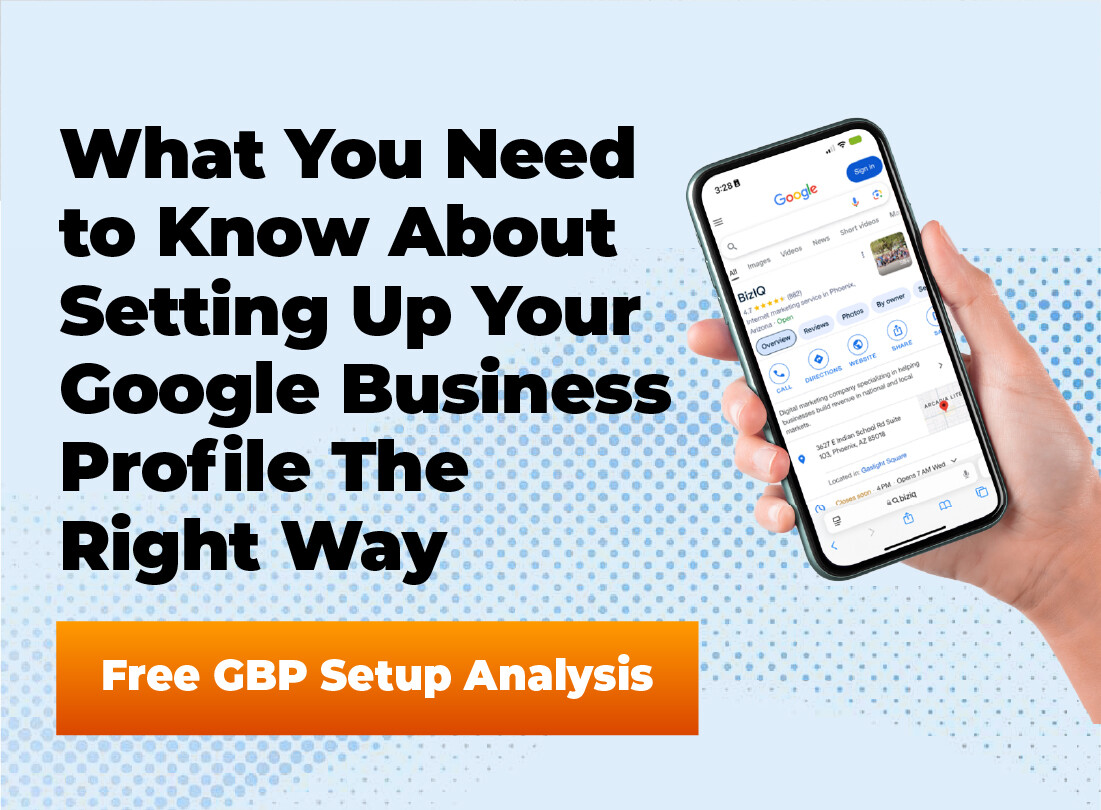
Get Found Faster With a Fully Optimized
Google Business Profile
If local customers can’t find you on Google Maps, they’ll find your competitors instead. We’ll set up and optimize your Google Business Profile so your business shows up where it matters most—right when people are searching.
Gather More Customer Reviews
Reviews are digital gold for your business market. A study from BrightLocal found that about 87% of consumers read online reviews for local businesses. This means what your customers say about you online has a major impact on your success.
Don’t be shy about asking for reviews. The best time to ask is right after a customer has had a positive experience. You can send a follow-up email with a direct link to your Google review page or even just ask them in person.
You also need to respond to all reviews, including the negative ones. A thoughtful response to a bad review shows that you care and are willing to fix problems. This professional approach can actually win you more customers in the long run by showing you value feedback.
2. Build Connections with Content Marketing
Content marketing is a long-term marketing strategy focused on building a strong relationship with your target audience. It’s about creating helpful, interesting articles and resources that your potential customers will value. You are building trust by answering their questions and solving their problems.
When you consistently provide people with valuable information, they start to see you as an expert. So, when it’s time for them to make a purchase, they will remember you. This method establishes your brand as a helpful resource rather than just another company trying to make a sale.
Start a Simple and Helpful Blog
Your blog is your home base for content and a cornerstone of your digital marketing efforts. This is where you can answer the questions you hear from customers every single day. Think about the top 10 things people ask you about and write a blog post for each one.
You don’t need to be a professional writer; just write in a conversational tone. Companies that blog consistently get far more website traffic than those that don’t. Each blog post is another opportunity for you to appear in search results and help someone out.
For example, if you are one of the many American manufacturers, you could feature manufacturing success stories on your blog. Sharing these success stories from your industry can build credibility and attract new clients. This kind of content positions you as a leader in the manufacturing business.
Turn Customer Questions Into Website Traffic
Blogging helps small businesses get discovered online—but knowing what to write and how often can feel overwhelming. We’ll help you create helpful content that attracts visitors and builds trust over time.
Connect with Email Marketing
What happens after someone visits your website or your store? An effective email marketing plan gives you a way to stay in touch. It is one of the most direct and effective marketing channels available to small businesses.
Start by collecting email addresses by offering a small discount, a free guide, or a simple signup form on your website. The goal is to give people a good reason to join your list. A well-executed email campaign can drive repeat business and build lasting customer loyalty.
Once you have their email, send them your helpful blog posts, share company news, or offer exclusive tips. Nurture that relationship. Email marketing has an incredible return on investment, so building a list is a valuable asset for your business development.
Start a Referral Program
Your happiest customers can be your best salespeople. A referral program encourages your existing customer base to spread the word about your business. It formalizes word-of-mouth marketing by offering a small incentive for new customer acquisitions.
You can offer a discount, a small gift card, or a free product to both the referrer and the new customer. This creates a win-win situation that fuels growth. Make your referral program easy to understand and even easier to use.
Promote your referral program through your email campaign and on social media. You can also mention it in person after a successful transaction. A strong program can become a consistent source of high-quality leads.
3. Be Social, Not Overwhelmed, on Social Media
Social media marketing can feel like a full-time job, and it’s easy to feel like you have to be everywhere at once. But spreading yourself too thin is a fast track to burnout. The secret to social media for a small business is to be strategic and focused.
You need to pick one or two platforms where your customers actually spend their time and commit to them. Being great on one platform is much better than being mediocre on five. This focused approach to media marketing will yield better results with less stress.
Figure Out Where Your People Are
Before you post anything, you need to understand your ideal customer, your target market. Are they young professionals, stay-at-home parents, or retired hobbyists? Different groups of people hang out on different social media platforms.
A business that sells visually appealing products, like a bakery or a florist, would probably do great on Instagram or Pinterest. A business that offers professional services, like a consultant or an accountant, would likely find more success on LinkedIn. Performing a competitive analysis of what similar businesses are doing can provide great insights.
| Platform | Common User Base | Best For |
|---|---|---|
| Wide age range, slightly older. | Building community, local events. | |
| Younger audience, under 35. | Visual products, behind-the-scenes. | |
| Professionals, B2B. | Industry expertise, networking. | |
| TikTok | Very young audience, Gen Z. | Short-form video, trends. |
| Predominantly female. | DIY, recipes, home decor, visual ideas. |
Focus on Conversation and Community
Too many businesses use social media as a billboard to shout their ads. But it’s called social media for a reason. People are there to connect and have conversations, not just be sold to.
Your goal should be to build a community around your brand and increase brand awareness. This means you should ask questions in your posts, respond to comments quickly, and share content from your customers. People become loyal fans when they feel seen and heard.
4. My Favorite of the 5 Marketing Strategies for Small Business: Online Reviews
We touched on reviews with local SEO, but they are so important they deserve their own spot on this list. Think about the last time you bought something online or tried a new restaurant. Did you check the reviews first? Most of us do.
Online reviews are a form of social proof. They are unbiased opinions from real people, which makes them incredibly persuasive. A huge number of people trust online reviews as much as personal recommendations from friends and family.
Your reputation is one of your most valuable assets, and positive reviews are a powerful part of your marketing efforts. They directly influence purchasing decisions and build credibility for your business. Managing your online reputation is a continuous process.
Make It Easy to Leave a Review
People are busy, and if leaving a review is a complicated process, they probably won’t do it. You have to make it as simple as possible. Create a direct link to your review page on Google, Yelp, or whichever platform is most important for your industry.
You can add this link to your email signature, print it on your receipts, or create a QR code for customers to scan in your store. The fewer clicks it takes, the more reviews you will get. A gentle reminder email a few days after a purchase can also work wonders.
5. Dip Your Toes into Paid Advertising
The idea of paying for ads can be scary for a small business owner on a tight budget. But paid advertising has changed a lot, and you don’t need a massive budget to see results. You have complete control over how much you spend and who sees your ads.
The best part about online ads is the targeting. Unlike a newspaper ad that goes out to everyone, online ads let you show your message to a very specific group of people. This makes your ad spending much more efficient and effective.
Try Hyper-Targeted Social Media Ads
Platforms like Facebook and Instagram have powerful advertising tools. You can target people based on their age, location, interests, and even their online behavior. This level of detail is amazing for a small business looking to reach a niche audience.
Let’s say you own a yoga studio. You could run an ad that only shows up for women, aged 25 to 45, who live within five miles of your studio and have shown an interest in yoga. You are only paying to reach people who are very likely to be interested in your services.
Reach the Right Customers
Without Wasting Ad Spend
Paid ads don’t have to be risky or expensive. With hyper-targeted social media advertising, you only pay to reach people who are most likely to become customers.
Use Search Ads to Catch Active Buyers
Google Ads allows you to place your business at the top of the search results when people are looking for what you sell. This is different from social media ads, where you are interrupting what people are doing. With search ads, you are helping people who are actively looking for a solution.
For example, if someone searches for “emergency plumber in my city,” they need help right now. If your plumbing business shows up first, you have a very good chance of getting that call. You pay each time someone clicks on your ad, so you spend money on highly motivated potential customers.
Remember to direct ad traffic to a well-designed landing page with clear primary navigation. A good user experience is crucial for converting clicks into customers. Some business credit cards even offer advertising credits, which can help you get started.
Bonus: Leverage Free Resources for Your Business Development
Running a small business often means learning as you go, but you don’t have to do it alone. The U.S. Small Business Administration (SBA) and its partners offer a wealth of free resources. These programs are designed to help with your overall business administration and growth.
You can use the SBA Learn platform for free online courses on a variety of topics, from writing a business plan to understanding your finances. These resources can help you build a stronger foundation for all your business marketing activities. They can also help with cutting red tape associated with government programs.
Additionally, look for local and national organizations that provide business mentoring. SCORE business mentoring, for instance, connects you with experienced business professionals who offer free advice. This kind of guidance can be invaluable as you grow your company.
There are also specific centers for different groups, including Women’s Business Centers and Veterans Business Outreach Centers. These business outreach centers offer specialized training and counseling. Small Business Development Centers (SBDC) are another great resource, often located at local colleges, offering support for everything from business planning to market research.
Conclusion
Getting started with marketing can feel like a huge challenge, but it doesn’t have to be. You don’t need a giant budget or a fancy degree to make an impact. You just need to be consistent and focus on building genuine connections with your customers.
The best thing you can do is to pick one of these ideas and start today. Don’t try to do everything at once. Focus your marketing efforts on one area, get comfortable with it, and then add another piece to your marketing strategy.
By applying one or two of these 5 marketing strategies for small business, you can make a real difference in your company’s growth. With a solid marketing plan, small businesses can compete and thrive. Your hard work can and will pay off.
Ready to Turn These Ideas Into Real Growth?
You don’t have to do everything at once—and you don’t have to do it alone. BizIQ helps small businesses turn simple marketing strategies into consistent leads and long-term success.
Frequently Asked Questions
What is the most effective marketing strategy for small businesses?
The most effective strategy is consistency. Local SEO, customer reviews, and content marketing work together to attract nearby customers, build trust, and generate long-term growth without large budgets.
How long does it take to see results from local SEO?
Most small businesses begin seeing improvements in visibility and calls within a few weeks, but stronger results typically build over 2–3 months as Google trusts your business more.
Is blogging really worth it for small businesses?
Yes. Blogging helps your website rank for more searches, answers customer questions, and positions your business as an expert—bringing in traffic long after the post is published.
Are paid ads safe for small business budgets?
When properly targeted, paid ads can be very cost-effective. Platforms like Google and social media allow small businesses to control spending and focus ads only on high-intent customers.