Summary
- Effective small business marketing starts with understanding your audience and building a strong foundation before scaling tactics.
- Your Google Business Profile is one of the most powerful low-cost tools for attracting local customers and building trust.
- Basic SEO helps your website appear when customers actively search for your products or services.
- Consistency, testing, and genuine connections are the keys to long-term, sustainable growth.
Running a small business feels like juggling. You’re the CEO, the accountant, and the janitor all at once. Having effective strategies for marketing a small business is how you turn your passion into a profitable venture.
You’re not alone if you feel a little lost. Many owners pour their heart into their product or service but get stuck on how to tell people about it. This guide breaks down different marketing strategies so you can start making real progress.
Table of Contents:
Build Your Foundation: Who Are You Talking To?
Before you spend a dime or a minute on your marketing efforts, you need to know who you’re marketing to. Trying to appeal to everyone is a recipe for connecting with no one. You need to get specific about your ideal customer and build a solid marketing plan from there.
Define Your Target Audience
Think about the person who truly needs what you offer. What problem are you solving for them? Getting a clear picture of this person, your target audience, is the first step to building a strong customer base.
Start by building a simple customer profile. Consider their age, what they do for work, and their hobbies. This helps you fully understand the people you want to reach.
Most importantly, what are their pain points? Understanding their struggles helps you position your business as the solution. Knowing your target market shapes every marketing message you create for potential customers.
Figure Out Your Brand’s Voice
Your business has a personality, which is a core part of your brand identity. Is it professional and serious? Or is it playful and funny?
Your brand’s voice should be consistent everywhere you connect with people. It shows up in your website copy, social media marketing posts, and even your email campaigns. This consistency builds trust with your audience.
A clear brand voice makes you more relatable. It helps customers feel like they’re connecting with a person, not just a faceless company. This is a powerful way to build a loyal following among existing customers.
Low-Budget Strategies for Marketing a Small Business
The good news is you don’t need a huge budget to make a big impact. Many powerful marketing tactics are free or very affordable. These are perfect for small businesses looking to get started and build momentum.
Master Your Google Business Profile
For any business with a physical location, local marketing starts here. Your Google Business Profile is a free listing that appears in Google Maps and local search results. A complete business profile on Google Business is your modern-day phone book listing.
It’s one of the best ways to get found by local customers. A recent survey shows that a large number of consumers use the internet to find information about local businesses. This highlights how critical your online presence is.
Make sure you fill out every section of your profile. Add high-quality photos, list your hours, and write a compelling description. Actively ask happy customers to leave you reviews, as this social proof is very persuasive.
Be the Business Customers Find First
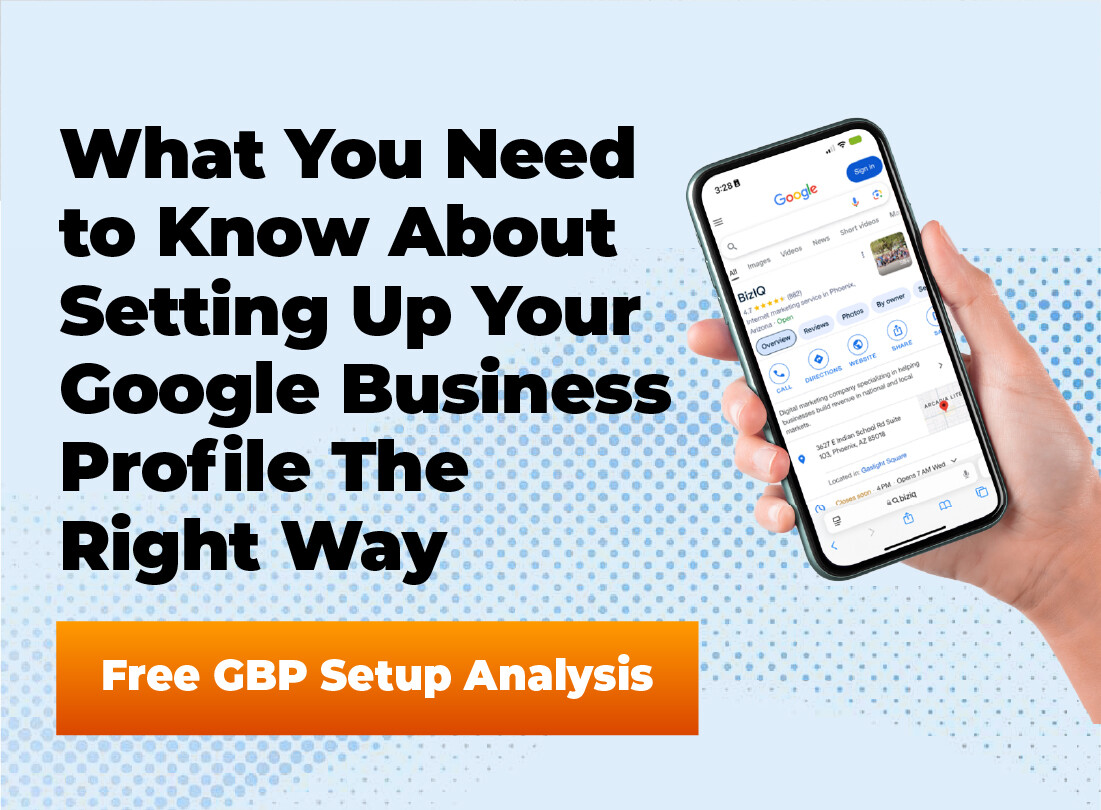
A complete and optimized Google Business Profile helps you show up in Maps, earn trust, and drive calls from nearby customers.
Get Serious About Content Marketing
Content marketing is about creating and sharing valuable information, which is a cornerstone of any online marketing strategy. It’s not about selling directly. It is about building trust, increasing brand awareness, and establishing yourself as an authority.
This could be through blog posts, videos, or social media updates. The goal is to help your audience solve a problem. In doing so, you build a strong relationship with them.
A great place to start your content creation is by making a list of the most frequently asked questions from your customers. Then, create content that answers those questions thoroughly. This shows you pay attention to their needs.
When you answer frequently asked questions, you are creating helpful resources. This type of content can cover topics from simple how-tos to in-depth industry guides. Explore business challenges your customers face and offer solutions.
| Content Type | Best For | Example Idea |
|---|---|---|
| Blog Posts | Answering detailed questions, SEO | “5 Ways to Prepare Your Garden for Spring” for a nursery. |
| Short Videos | Demonstrations, showing personality | A quick tutorial on how to use your product. |
| Infographics | Presenting data, checklists | A visual guide to coffee brewing methods for a cafe. |
| Case Studies | Building credibility and trust | A story on how a customer succeeded using your service. |
Use Email Marketing to Stay in Touch
Unlike social media, you own your email list. An email campaign is a direct line of communication with people who have already shown interest in your business. This is why it’s such a valuable asset for business marketing.
To grow your list, offer something valuable in exchange for an email address. This could be a small discount, a free guide, or access to exclusive content. People are more willing to sign up when they get something in return.
A solid email marketing strategy is crucial. You don’t have to send emails every day. A simple weekly newsletter with helpful tips or promotions can nurture leads and keep your business top of mind for your people customers.
Level Up with Digital Marketing Tactics
Once you have a solid foundation, you can explore more digital marketing tactics. These approaches help you reach a wider audience. They also help you connect with people actively looking for what you offer.
Understand Basic SEO
SEO stands for Search Engine Optimization. It’s the practice of improving your website so it shows up higher in search results on a search engine like Google. Effective engine optimization means when someone searches for a product you offer, you appear on the first page.
It starts with keywords. These are the words and phrases your ideal customer is typing into the search bar. Use free tools to find out what those terms are, and then create high-quality content around them.
A mobile-friendly website is essential for modern SEO. It’s clear that Google prioritizes sites that provide a great user experience on all devices. If your website doesn’t load correctly on a phone, you will lose customers and sales, as many people shop and pay with a credit card directly from their devices.
SEO Doesn’t Have to Be Complicated
Basic SEO improvements can dramatically increase visibility. A free local SEO audit shows exactly where your site can improve.
Choose the Right Social Media Platform
Many owners of small businesses make the mistake of trying to be everywhere at once. This spreads you too thin and leads to burnout. You will get better results from your media marketing by focusing on just one or two platforms.
The trick is to go where your audience is. Are your customers young and visually-driven? Instagram might be a good fit. Are you targeting other professionals? LinkedIn would be a better choice for your marketing campaign.
The goal of social media is to be social. Don’t just post and ghost. Ask questions, respond to comments, and engage with your followers to build a real community and provide excellent customer service.
Consider Paid Advertising
Once you have organic methods working, you can explore paid advertising to accelerate growth. Platforms like Google Ads and social media ads let you target your ideal customer with precision. This can be a very effective part of your small business marketing plan.
Start with a small budget to test what works. You can target users based on their interests, location, and online behavior. This helps get your message in front of the people most likely to become customers.
To fund these initial tests, you might look into ways to establish business credit. Options like a business credit card or even SBA loans can provide the capital needed to run a successful marketing campaign. Just be sure it’s part of a well-thought-out business plan.
Don’t Forget Traditional Marketing
In our digital-first world, it’s easy to forget about older marketing methods. But some traditional approaches can be very effective. They often help you stand out from the online noise.
Local Networking and Partnerships
There’s still huge power in face-to-face connections. Join your local chamber of commerce or other business groups. Go to community events and just talk to people about your business.
Look for opportunities to partner with other local businesses that serve a similar audience but aren’t direct competitors. You can co-host an event or create a referral program. This is a fantastic way to expand your reach within your community.
Building a strong local network creates a web of support. These relationships often lead to word-of-mouth referrals, which are some of the best leads you can get. These marketing efforts build long-term value.
Try Direct Mail
Sending mail might sound old-fashioned, but direct mail campaigns can be surprisingly effective. People’s physical mailboxes are much less cluttered than their email inboxes. A well-designed postcard or flyer can really grab someone’s attention.
Direct mail works especially well for local businesses promoting a special offer or event. It lets you target specific neighborhoods with your message. It is a very tangible way to put your brand in a potential customer’s hands.
Data from the Small Business Administration suggests that blending digital and physical marketing can be quite powerful. Consider using mail campaigns to send people to a special page on your website to track how well it works.
Measuring What Works
You can’t improve what you don’t measure. Throwing marketing ideas at the wall and hoping something sticks is not a strategy. You have to track your efforts to see what is actually driving results.
You can use simple, free tools to do this. Google Analytics can show you how many people are visiting your website and where they are coming from. Your social media platforms all have built-in analytics that show you which posts get the most engagement.
Don’t be afraid to experiment with your marketing plans. Try different types of content or run different offers. Look at the data to see what your audience responds to, and then do more of that. This process of testing and adjusting is how you create a truly effective marketing machine.
Conclusion
Marketing a small business can seem complicated, but it’s really about making genuine connections. You need to start with a deep understanding of your customer. From there, you can choose the right online marketing and traditional tactics to reach them.
Be consistent with your marketing strategy and patient with your results. Finding the right mix of these strategies for marketing a small business takes time. Keep learning, keep testing, and you will find the path that leads to sustainable growth.
Build a Marketing Strategy That Actually Works
You don’t need to do everything at once. Start with the right foundation and grow with confidence using proven small business strategies.
Frequently Asked Questions
What is the most effective marketing strategy for a small business?
The most effective strategy focuses on understanding your audience, building local visibility, and consistently using a few proven channels rather than spreading yourself too thin.
Why is Google Business Profile important for small businesses?
Google Business Profile helps your business appear in local search and Maps results, making it easier for nearby customers to find and trust you.
Do small businesses really need SEO?
Yes. Basic SEO helps your website appear when customers search for your services, bringing in high-intent traffic without ongoing ad costs.
How long does small business marketing take to show results?
Some tactics like Google Business Profile optimization can show results quickly, while SEO and content marketing typically build momentum over several months.