Summary
- Scaling local SEO across multiple franchise locations creates major challenges with citation consistency, duplicate content, and localized ranking performance.
- Franchise brands need centralized SEO systems that support accurate business listings, optimized Google Business Profiles, and unique local landing pages for every market.
- Strong local link building strategies and consistent citations help franchise locations improve map pack visibility, local authority, and organic search rankings.
- Regular SEO audits, scalable reporting, and location-specific optimization allow franchises to maintain visibility while growing across competitive regional markets.
Managing digital search visibility for a single brick-and-mortar business requires a significant amount of daily effort, but addressing local SEO challenges for franchises involves a much higher level of complexity. Multiplying that required effort across dozens or hundreds of locations creates a massive operational challenge that demands a sophisticated multi-location SEO strategy. Search engines treat every individual franchise location as a distinct local entity that needs independent verification to rank effectively.
If corporate marketing teams fail to align with individual franchisees, digital search rankings will drop quickly across the entire network. You need a centralized franchise marketing strategy that still allows for localized execution at the store level to maintain brand authority. This careful balance prevents internal competition while dominating the local search results for your most profitable target keywords.
Franchise search engine optimization breaks down most often at the intersection of corporate control and local execution. A corporate marketing department wants strict brand compliance across all of their digital assets to ensure a unified voice. Meanwhile, local franchisees just want the phone to ring with new customers ready to purchase in their specific neighborhood.
This friction often leads to rogue websites, unverified business profiles, and heavily fragmented citation data that confuses search algorithms. Consistent NAP (Name, Address, Phone number) data remains a foundational ranking factor for local search success. When franchisees create their own Yelp pages or Facebook profiles without corporate oversight, inaccurate data spreads rapidly across the web.
Search engines lose trust in the business entity if they find conflicting addresses or phone numbers during their crawl. Data from Moz's Local Search Ranking Factors shows that citation consistency directly impacts Google Maps rankings and overall visibility. Fixing these discrepancies requires dedicated software and persistent manual effort from the corporate marketing team to ensure data integrity.
Without proper software tools, tracking hundreds of local citations becomes an impossible manual task for even the largest teams. Corporate teams should invest in enterprise-level local search platforms to monitor these external data points in real-time. This investment pays off by protecting the brand from sudden drops in overall local search visibility caused by data fragmentation.
- Corporate and local alignment prevents fragmented digital branding across different locations.
- Consistent NAP data builds immediate trust with major search engine algorithms.
- Centralized software helps manage business citations across hundreds of local directories.
Franchise SEO Strategy: Optimizing Google Business Profile Management Across Territories
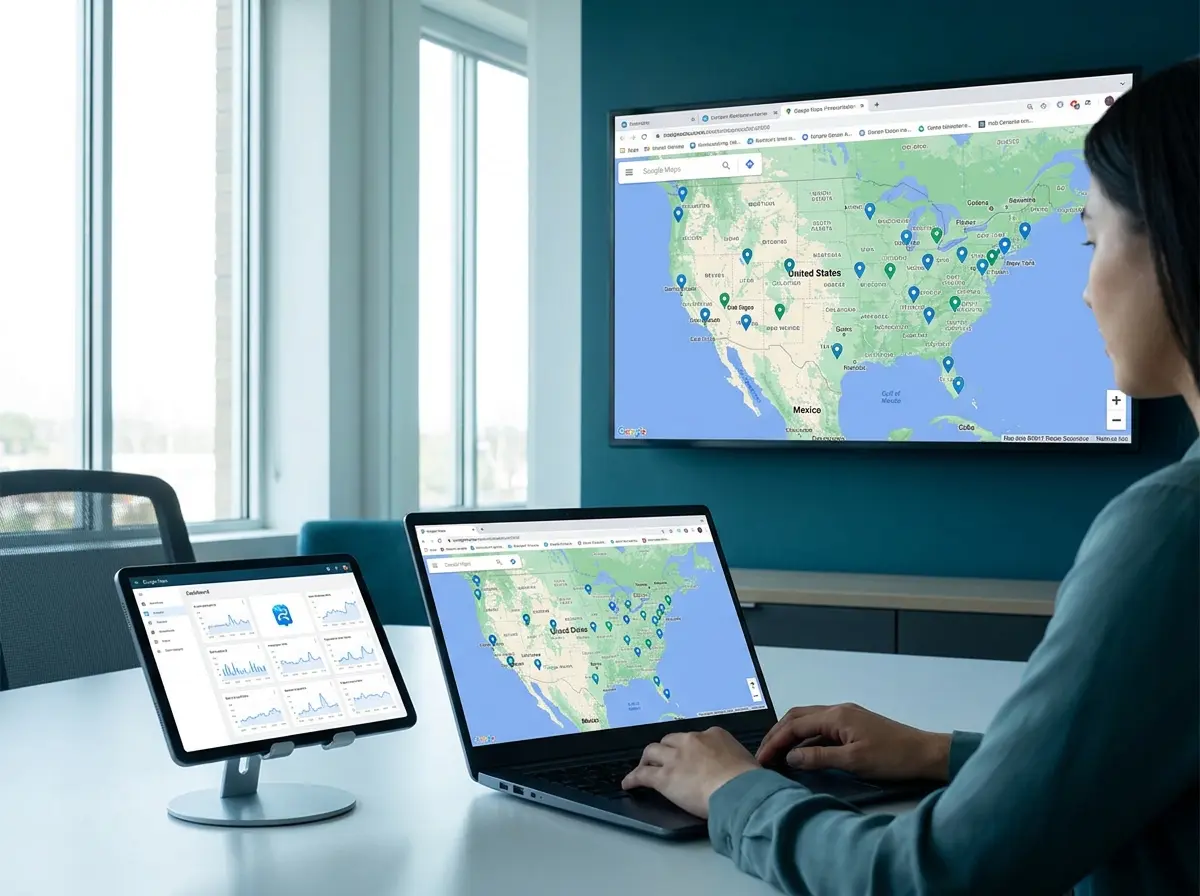
Google Business Profile serves as the most critical digital asset for any modern local business looking to grow. For franchises, performing effective Google Business Profile management becomes highly chaotic without a rigid organizational structure in place. Franchisees often claim their own local listings using personal email accounts instead of secure corporate credentials.
If that franchisee leaves the network, the corporate office loses access to the profile completely, creating a security risk. You should implement a centralized ownership model for all Google Business Profiles within your entire franchise network. The corporate entity must hold the primary ownership status for every single retail location to maintain control.
Individual franchisees can receive manager access to respond to reviews or post relevant local updates to their community. This specific hierarchy protects the parent brand while empowering local operators to engage with their specific customers. Establishing these rules during the initial franchise onboarding process prevents major administrative headaches and profile conflicts later on.
Local Map Pack Optimization: Resolving Rogue and Duplicate Listings
Duplicate listings plague almost every large franchise system operating in the United States today, hurting their local map pack performance. Sometimes a well-meaning employee creates a new profile because they cannot access the original one due to lost passwords. Other times, an old location moves across the street, leaving a permanent ghost listing that confuses potential customers.
Google's algorithm struggles to determine which specific profile represents the actual active business location when duplicates exist. You must conduct regular local SEO audits to identify and merge these duplicate profiles immediately for better clarity. Reporting duplicate listings through the official dashboard helps clean up the broader map ecosystem and improves user experience.
Google offers bulk verification for businesses operating ten or more locations. This feature saves countless hours by allowing corporate teams to verify new franchise locations through a single spreadsheet upload.
Boosting Local Search Rankings by Overcoming Duplicate Content Issues
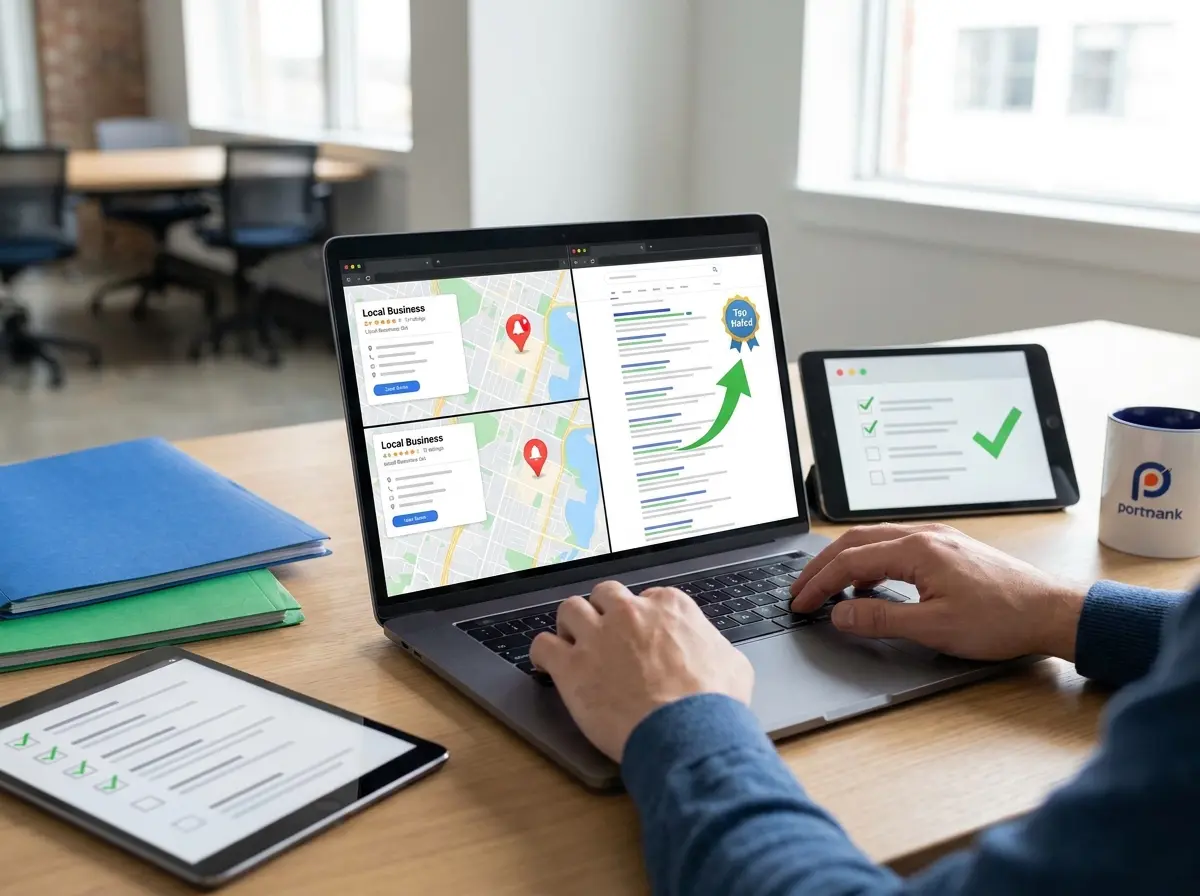
A standard practice in franchise marketing involves creating a separate landing page for each city to capture traffic. Many brands simply copy their primary service text and swap out the geographical city name across every page. Search engines easily detect this lazy approach and will filter out the duplicate pages, hurting your local search rankings.
Your local landing pages must offer genuine, helpful value to the specific local user searching for your services. Building high-performing local pages requires specific details about the actual location and its surrounding community to build trust. You can include photos of the specific storefront, the local team, and regional customer reviews to differentiate the localized content.
Another common mistake involves ignoring local business schema markup on these individual location landing pages. Schema markup helps search engines parse exact addresses, operating hours, and local phone numbers with high precision. Implementing proper local business schema provides a significant advantage over competitors who ignore technical optimization and structured data.
Developing Geo-Targeted Content for Better Local Search Visibility
Embedding a Google Map of the exact location also provides strong local relevance for users and search engines. Writing geo-targeted content about specific neighborhood landmarks helps establish geographical authority within the local search algorithm. According to Search Engine Journal, localizing content requires a deep understanding of the surrounding community and its needs.
Mentioning local charities the franchise supports or nearby intersecting highways adds helpful context for readers and search bots. Do not rely on automated text spinning tools to generate these location pages at scale for your network. Invest the necessary time to write helpful content that serves the actual local customer base and answers their questions.
How to Audit Your Franchise Local SEO
Inventory All Digital Assets
Compile a master list of all domain names, social media accounts, and directory listings.
Check NAP Consistency
Run your primary locations through a citation scanner to find data discrepancies across the web.
Analyze Local Landing Pages
Review the written content on your location pages to identify any duplicate text issues.
Scaling Local Link Building and Maintaining Citation Consistency
Acquiring high-quality backlinks remains one of the hardest parts of search optimization for any multi-location business. For a franchise, building links to fifty different local landing pages requires immense marketing resources and coordination. Corporate websites naturally attract links, but individual location pages usually struggle to gain any traction without a specific local link building plan.
You need a deliberate strategy to build local domain authority for every single franchise location in your network. Franchisees can leverage their real-world community ties to generate highly relevant local backlinks from neighborhood sources. Sponsoring a little league team or joining the local Chamber of Commerce often results in a valuable digital link.
Improve Your Local SEO Visibility Across Every Franchise Location
Inconsistent citations and weak local backlinks can hurt your rankings in every market. BizIQ helps franchise businesses strengthen local authority, improve directory accuracy, and scale local SEO campaigns that drive measurable traffic and leads.
Hosting community events also provides opportunities for local news coverage and valuable digital public relations for the store. The corporate team should provide a playbook of these exact link-building tactics to all franchisees to ensure citation consistency. Citation building also plays a major role in establishing local prominence for your brand globally across all directories.
Submitting business data to major data aggregators pushes your information out to hundreds of directories simultaneously. Companies like Whitespark provide powerful tools to track these specific business citations across the web for accuracy. Keep your core data completely accurate on major platforms like Apple Maps and Bing Places to avoid customer confusion.
Never purchase cheap local directory submission packages from questionable online vendors. These services often create hundreds of low-quality citations with incorrect data that will actively harm your local search rankings.
Centralized Review Management and Reputation Strategy at a National Level
Customer reviews heavily influence both digital search rankings and overall consumer trust in your franchise brand. A massive disparity in review scores between different franchise locations damages the overall corporate reputation and brand equity. Some franchisees actively ask for reviews, while others completely ignore their online customer feedback and complaints.
This inconsistency creates a disjointed customer experience that harms the long-term viability of the entire brand. Corporate marketing teams should provide automated review management tools directly to their franchise owners for consistency. Integrating these tools with the local point-of-sale system triggers automatic review requests after a successful purchase.
You must train your franchisees on how to respond to both positive and negative feedback professionally. A prompt, professional response to a negative review often prevents further reputation damage online and shows you care. Search engines also notice businesses that actively engage with their customers through rapid and helpful review responses.
Furthermore, monitoring these reviews helps corporate teams identify operational issues at specific franchise locations before they escalate. If multiple customers complain about slow service at one store, corporate can intervene quickly with training. Search optimization tools often include sentiment analysis features to help track these broader customer trends across the network.
- Local backlinks require active community engagement and real-world networking from the franchisee.
- Accurate citations across major data aggregators boost local map visibility significantly.
- Automated review systems create a consistent customer reputation across all brand locations.
Common Franchise SEO Strategy Questions
Should each franchise location have its own separate website?
No, hosting all locations on a single, powerful corporate domain generally yields better search results. Individual websites dilute domain authority and create massive administrative headaches for the corporate team trying to solve local SEO challenges for franchises.
How do we handle franchisees who hire their own marketing agencies?
Establish strict brand guidelines and require corporate approval for any third-party marketing vendors. Provide a list of vetted agency partners to maintain quality control and ensure a consistent franchise SEO strategy across the network.
What is the most important ranking factor for local franchises?
A fully optimized and verified Google Business Profile serves as the strongest ranking factor for local map packs. Consistent citation data and localized on-page content follow closely behind in priority for long-term success.
Conclusion: Taking Control of Your Local Search Visibility
Mastering local search for a multi-location brand requires strict organization and clear communication channels between all parties. The friction between corporate control and local execution will always exist in a franchise model, but it can be managed. Establishing firm guidelines early prevents digital messes that take years to completely clean up and fix.
You must prioritize accurate data, centralized profile ownership, and highly localized website content to win. Empower your franchisees with the right tools while maintaining administrative control over the primary digital assets. A well-executed franchise search strategy turns your massive geographical footprint into a major competitive advantage in every market.
Start by auditing your current map listings and identifying any rogue profiles immediately to regain control. Clean up your duplicate content and build genuine connections within each specific local community you serve. Consistent effort across all these locations will eventually dominate the local search results pages and drive growth.
Ready to Scale Your Franchise SEO Strategy?
BizIQ helps multi-location businesses improve local rankings, strengthen franchise visibility, and create scalable SEO systems designed for long-term growth.