Imagine walking into a popular coffee chain in a new city, expecting the familiar decor and the same quality of service you get at home. Instead you find mismatched logos, handwritten menus, and an atmosphere that feels disconnected from the parent company. That scenario shows the problem of inconsistent branding across franchise locations, and it gets more expensive as a network grows.
- The cost: inconsistent branding weakens customer trust, damages brand authority, and blunts the effect of national campaigns.
- The foundation: central brand guidelines, approved assets, and ongoing training keep the customer experience the same in every market.
- The safeguards: regular audits, local compliance checks, and technology platforms stop unauthorized materials and protect brand equity.
- The payoff: consistency across digital marketing, signage, service, and local promotions supports loyalty, retention, and revenue.
You spend heavily to build a recognizable identity, and rogue operators can undo that work with unauthorized changes. When corporate oversight slips, local owners often take marketing into their own hands to solve immediate problems without thinking about the long-term effect on the brand. The result is a disjointed public image that damages trust and hurts revenue system-wide. At BizIQ, we help franchise brands understand why that fragmentation happens and how to stop it.
The True Cost of Inconsistent Branding Across Franchise Locations
Customers expect the same interaction in New York as in California, because reliability is the cornerstone of franchise success. When a single location ignores corporate rules, it breaks that expectation, and it can erode brand value for your most loyal customers. Without a unified front, shoppers feel confusion that leads to hesitation at the moment they decide to buy.
People lean on familiarity to make quick decisions without re-evaluating a business at every storefront. If one store uses outdated colors and another runs unapproved social ads, confusion sets in and national marketing loses force. That disjointed look suggests a lack of oversight, and it can hurt the brand’s reputation over time.
Where customers meet your brand has also multiplied. In BrightLocal’s 2026 Local Consumer Review Survey, 71% of consumers used Google for local recommendations, 45% used AI tools such as ChatGPT, and 27% used Apple Maps. Each of those channels shows your name, logo, photos, and details, so inconsistency at one location now appears in many places at once.
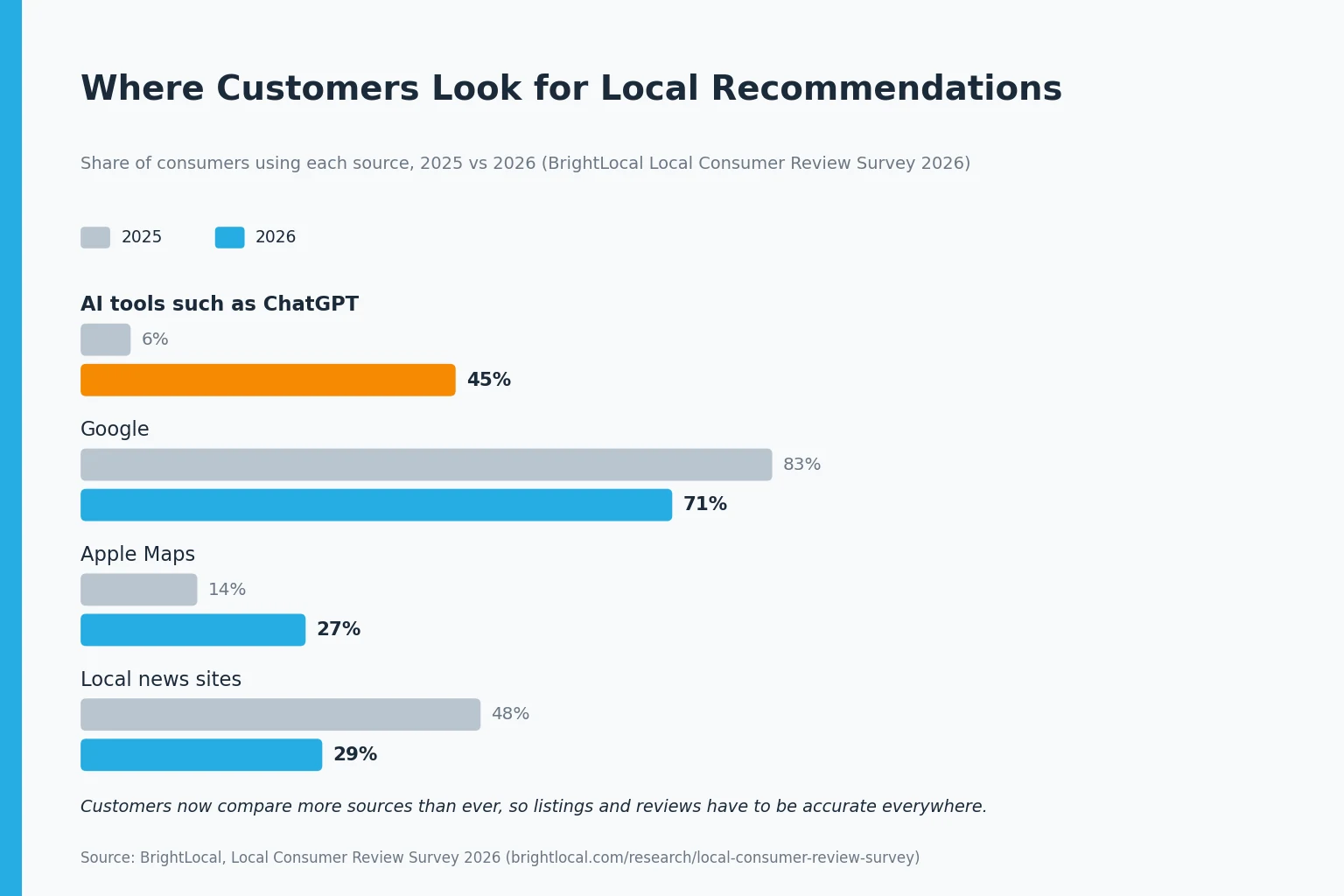
Inconsistency costs you loyalty and sends buyers to competitors who feel more reliable. Brand consistency is the thread that connects a buyer to your business across every touchpoint, from digital ads to physical signage, so leadership has to keep every unit aligned with the larger framework.
Why Do Local Owners Go Rogue? Maintaining Brand Consistency Challenges
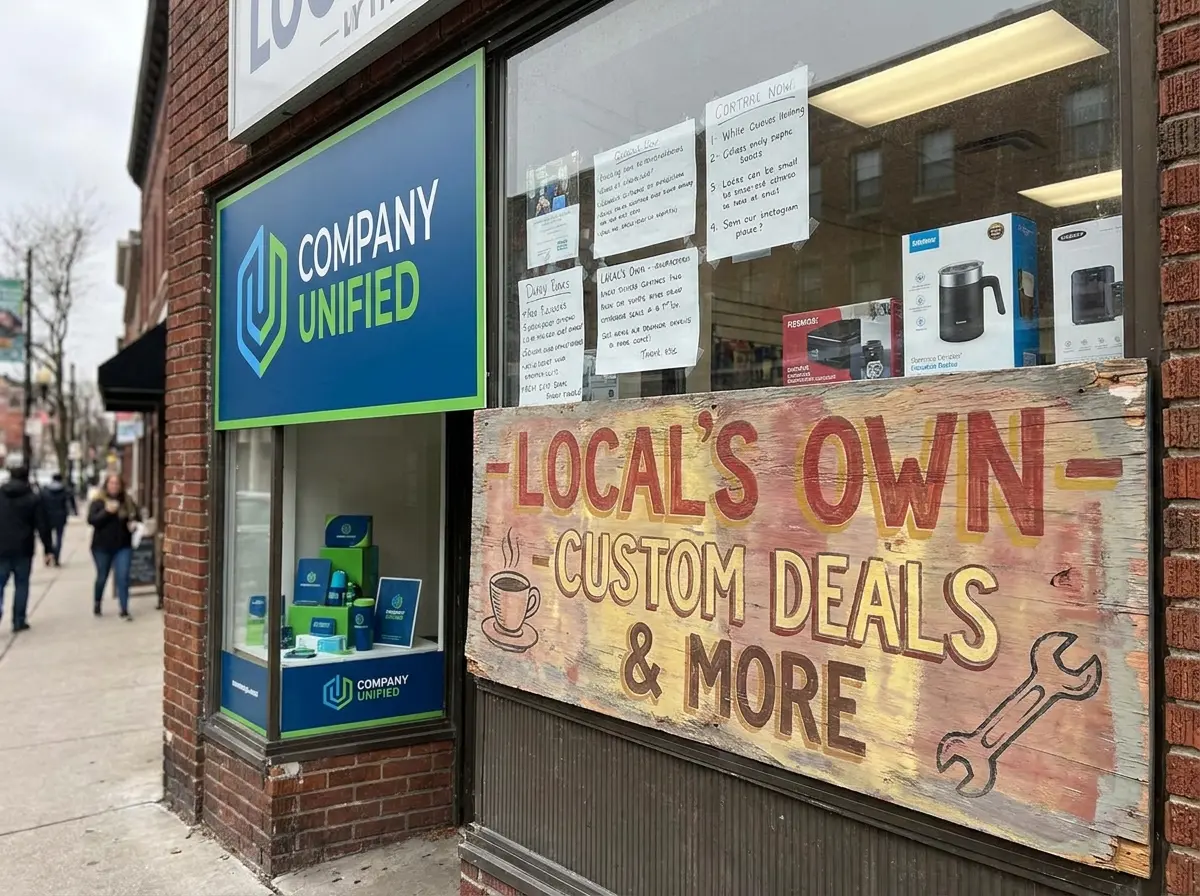
Franchisees rarely set out to damage the brand they invested in. Most unauthorized changes happen because operators feel disconnected from corporate and lack marketing support for their local needs. They face pressure in their own market and react with whatever tools they have.
A store manager might build a promotion to counter a nearby competitor’s offer that corporate has not addressed. Without accessible assets, they pull low-resolution images from the web or use fonts and colors that do not match the brand, and that well-meant hustle becomes a problem for corporate brand control. Understanding those motives is the first step, because operators want to drive sales and often lack approved materials to do it, so a central portal removes the excuse for unauthorized campaigns. Unauthorized campaigns should be addressed quickly, since small deviations compound and can damage public perception.
How Inconsistent Branding Across Franchise Locations Starts Online
Rogue branding is not limited to flyers. It shows up in Business Profile names, logos, photos, and listing details. Google’s guidelines for representing your business say a profile name should reflect your real-world name as used on signage and branding, so a consistent brand name at every location is also the compliant one.
Control over who can edit a profile matters. Google’s owner and manager roles let corporate keep ownership while local operators handle day-to-day activity, but managers can still edit business information, so changes should be monitored.
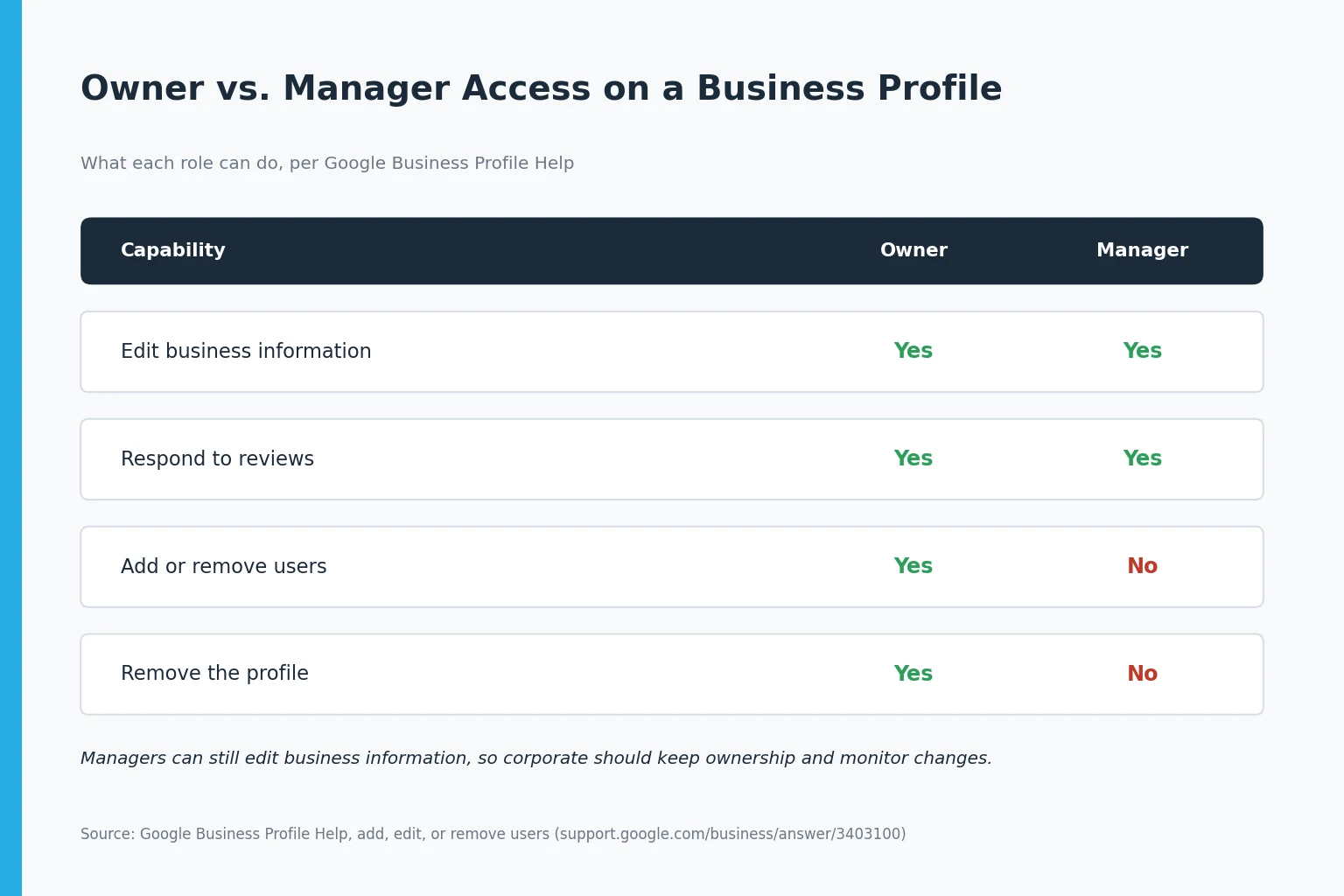
A Google Business Profile setup and verification service puts central ownership in place.
Ongoing local citation management then keeps names, addresses, and phone numbers uniform across directories.
Building Unbreakable Brand Guidelines and Standards

To prevent fragmentation, write brand guidelines that leave no room for creative interpretation by local staff. They should be the definitive reference for everything from logo placement to the color codes on store signage. When guidelines are clear and accessible, franchisees can represent the company correctly without constant hand-holding.
Good guidelines go beyond visuals. They should cover tone of voice and the standard of product quality, because a logo alone cannot save a relationship if service differs from one location to the next. Centralize the standards so every employee understands the core values and expectations.
Update them regularly so they stay relevant in a fast-moving market. As you expand across channels, the guidelines must cover social media, direct mail, and digital advertising, and a clear roadmap empowers local owners while protecting integrity. If your identity needs a refresh, professional logo design can give every location a stronger starting point.
How to Audit and Correct Your Network
Keeping standards high across hundreds of locations takes regular audits and feedback loops. You cannot set rules and hope they are followed. Verify compliance through field visits and digital monitoring, so you can find rogue elements before they become systemic problems that are costly to fix.
During audits, look closely at promotional materials in use and confirm they match current campaigns. Treat discrepancies as coaching opportunities, not just discipline, to build a better relationship with franchisees, and use customer surveys to see how the brand is perceived locally compared with the national average. A checklist keeps audits consistent.
| Touchpoint | What to check | Suggested cadence |
|---|---|---|
| Business Profiles | Name matches signage, logo and photos are approved, ownership is corporate | Monthly |
| Directory listings | Name, address, and phone match the central record | Quarterly |
| Website and location content | Approved logo, colors, and messaging with unique local details | Quarterly |
| Social media accounts | Profile images, bios, and posts follow guidelines | Monthly |
| In-store signage and print | Current campaign materials and approved formats only | On every field visit |
A free SEO audit is a practical way to start the digital part of that review.
The Role of Centralized Technology and Brand Assets in Franchise Locations
Manual oversight is no longer enough for a growing network. A centralized platform for all brand assets makes it easy for owners to download and use approved imagery and templates, and it acts as a single source of truth that reduces the chance a manager will use an old or low-quality logo found online.
A clear approval process inside your marketing portal ensures local customizations are reviewed before they go live. It does not have to create a bottleneck, because the right software can automate much of the work while corporate keeps control, and easy templates help franchisees produce professional materials without design training.
Technology also lets you share campaign and policy updates with every location at once. When everyone looks at the same dashboard, going rogue becomes less likely, because the right way is also the easiest way. Our franchise marketing resources go deeper on the systems that make that possible.

Keep Every Franchise Location On Brand
Centralized marketing tools, approved assets, and scalable franchise SEO strategies help growing brands stay consistent while supporting local operators.
Training Programs That Drive Brand Consistency and Customer Engagement
Education is your most powerful tool for brand consistency, because it turns every team member into an ambassador. Training should start at onboarding and continue throughout a franchisee’s tenure, and when people understand the reason behind the rules, they follow them and take pride in product quality.
Focus training on engagement that reflects the brand’s personality in every interaction, because consistency is built on small details such as how a phone is answered or how a complaint is handled. That includes how teams reply to reviews, and a managed reputation management program helps keep the brand voice steady in public replies.
Video modules and interactive workshops keep training engaging for staff at multiple locations, and regular refreshers on quality control and brand asset use prevent the drift that builds over years. The same applies to social media, where social media management keeps every account on voice and on brand.
Measuring the Impact on Customer Experience and Brand Consistency
To justify the investment, measure what consistency does to your results. Track indicators such as Net Promoter Score and local revenue growth alongside brand adherence, because locations that follow the guidelines closely often show stronger engagement and retention than those that deviate.
Customer surveys can show whether the local experience matches the national promise. If customers report a disconnect, that region needs tighter quality control, and the data tells you where to send field visits and extra training. A consistent brand is also a business strategy, so showing franchisees the link between following the rules and their own profitability makes buy-in much easier.
Strategies for Maintaining Brand Consistency Long-Term
Lasting consistency means a commitment that evolves with the market while staying true to your core identity. Keep promotional materials current across every channel, including social media, direct mail, and in-store displays, because a modern website with a dated storefront erodes trust quickly.
Build a roadmap for protecting brand equity that includes regular reviews of the guidelines, and encourage open communication so local insights can inform national marketing. That collaboration makes franchisees feel like partners, which improves adherence over time. Consistency also covers product quality and service delivery, so a central approval process for local marketing keeps the brand’s voice steady however the market shifts.
Your guidelines should be treated as a living document, backed by your franchise agreement and operations manual so everyone knows the standards and the process for approvals. As tools improve, brand monitoring is likely to get easier, but the core remains the same: a stable, recognizable identity with room for authentic local touches.
Inconsistent Branding Across Franchise Locations FAQs
What causes inconsistent branding across franchise locations?
Usually it comes from operators who lack accessible approved materials, feel disconnected from corporate, or react to local competition with whatever tools they have. Weak guidelines, no central asset library, and little oversight make it worse.
How does inconsistent branding hurt a franchise?
It weakens customer trust, dilutes the effect of national advertising, and makes the brand look unprofessional. Because customers now find brands through search, maps, and AI tools as well as stores, inconsistency spreads across many channels at once.
How should Google Business Profile names be handled across locations?
Google’s guidelines say a profile name should reflect the real-world name used on signage and branding. Use the consistent brand name at every location, keep corporate as owner, and monitor changes, since managers can still edit business information.
How often should a franchise audit brand compliance?
Monthly checks of Business Profiles and social accounts, quarterly reviews of listings and website content, and a review on every field visit is a practical rhythm for most networks.
What should franchise brand guidelines include?
Logo placement, color codes, fonts, tone of voice, signage standards, social media rules, local marketing approval steps, and product and service quality expectations. Keep them short, searchable, and easy for busy non-marketers to use.
How can corporate enforce brand standards without frustrating franchisees?
Make approved materials easy to find and customize, set a fast approval process for local requests, and use audit findings to coach instead of only penalize. Your franchise agreement and operations manual should state the standards and the process clearly.
Brand consistency matters because it protects the promise you make to every customer. With clear guidelines, central assets, regular audits, and ongoing training, a franchise network can stay recognizable in every market while still giving local owners room to connect with their communities.
Investing in those systems now builds a foundation that can weather leadership changes and market shifts. The work of keeping a brand consistent is never finished, but the rewards in loyalty and system-wide growth are worth the discipline. To discuss your own network, talk with a franchise marketing specialist and see where your brand stands today.

Protect Your Franchise Brand Across Every Location
We help franchise businesses scale marketing, maintain brand consistency, and improve local visibility with centralized digital marketing solutions.