Low foot traffic franchise locations catch many owners off guard. Opening a franchise takes significant capital and deep trust in a proven corporate model. You secure a site, finish the expensive build-out, and open your doors, only to find that the real estate delivers far less foot traffic than the projections promised.
- From walk-ins to destination: low traffic locations can still be profitable by shifting to proactive digital marketing and customer acquisition.
- Local search: an optimized Google Business Profile, strong local SEO, and good reviews help hidden storefronts capture high-intent searches.
- New revenue channels: geofencing, delivery platforms, and corporate catering add sales beyond the front door.
- Disciplined operations: data-driven decisions, lean staffing, and targeted advertising protect profitability in low-visibility markets.
Empty sidewalks mean lower daily sales and mounting pressure on your team. You cannot change your address overnight, but you can change how you acquire customers right away. Running a low-visibility franchise means shifting from passive reliance on walk-ins to proactive digital marketing for franchises, which is the kind of work BizIQ does with franchise owners every day.
Diagnosing Low Foot Traffic Franchise Locations With Real Data
Start with objective data instead of gut feeling. Franchisors often project revenue from prime sites with high pedestrian counts, and when reality falls short you need to know whether the cause is poor visibility or changing neighborhood demographics.
How do you measure footfall without counting by hand? Professional location analytics tools can report visits to your site and to nearby businesses. That data is valuable when you talk with your franchisor or negotiate with your landlord, so compare your daily traffic patterns with competitors in similar retail centers. If the entire shopping center is declining, the problem is the location itself. If only your store is, the problem is more likely visibility and awareness, which marketing can fix.
Franchise Marketing Strategies: Shifting to a Destination Model
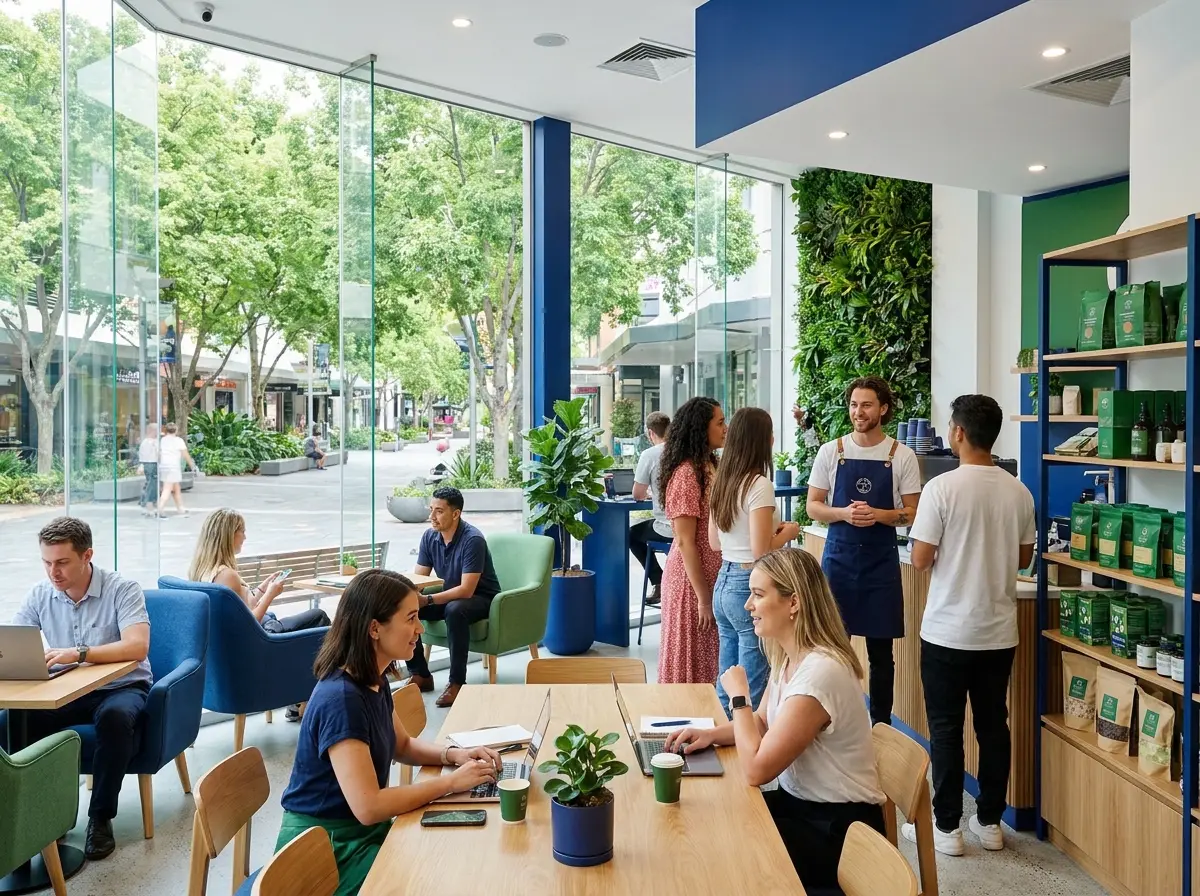
When pedestrians do not walk past your storefront, you have to give them a reason to come. Your strategy must move from a convenience stop to a destination, because customers will drive out of their way for great service, specific products, or an attractive offer.
That means moving budget away from signs and print, which return little for a hidden location, and toward digital channels. Destination businesses win on intent, not impulse: customers plan visits based on online discovery and recommendations, so your goal is to be what they find when they search.
Local Store Marketing for Low Foot Traffic Franchise Locations
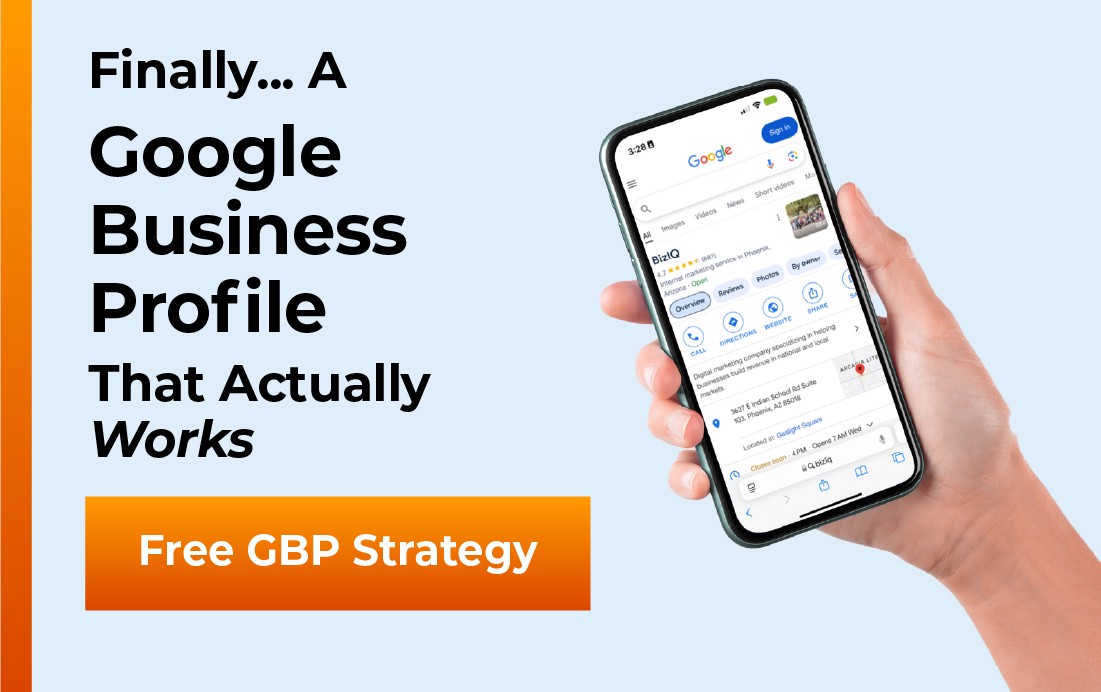
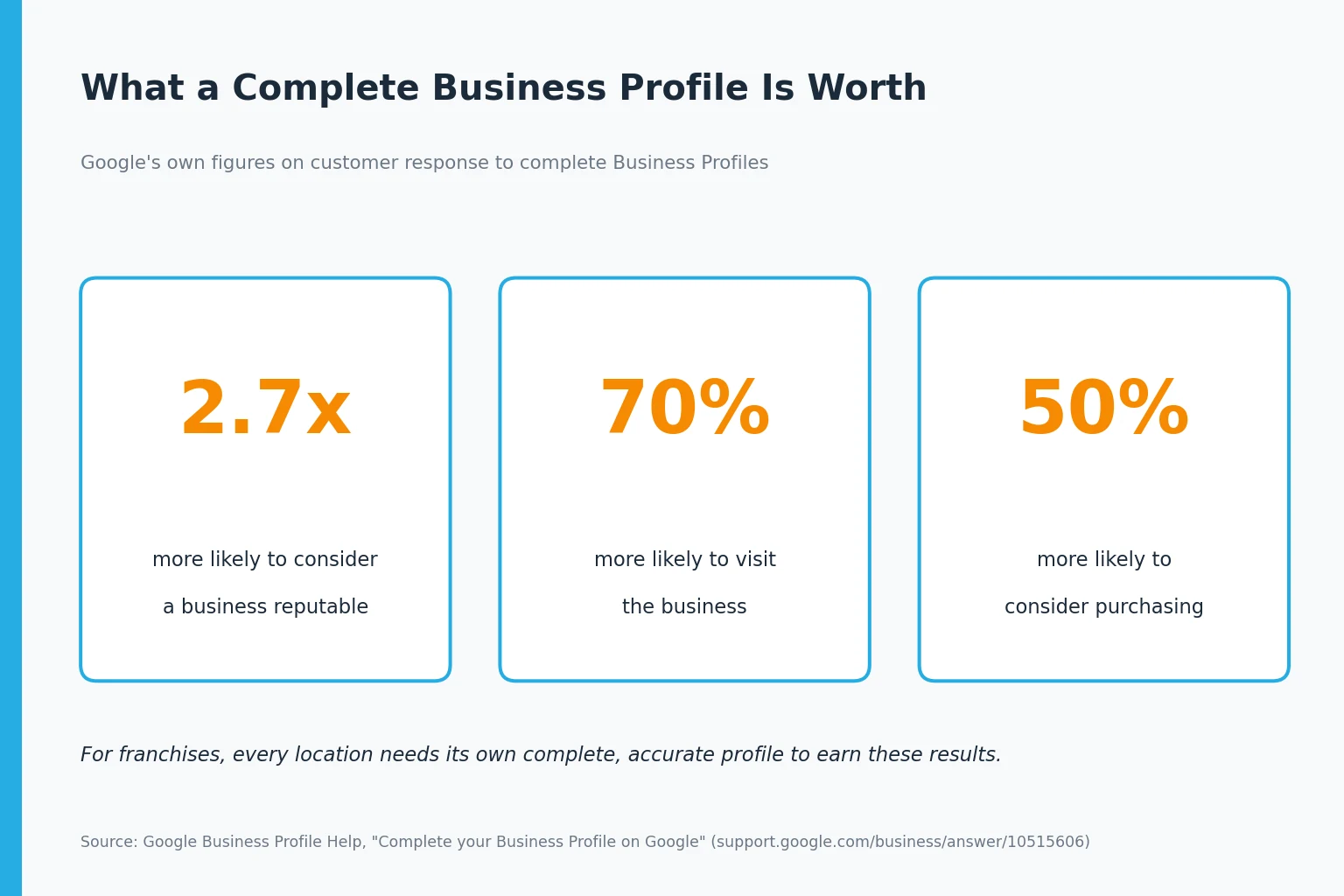
Claiming and fully optimizing your Business Profile is your most important local store marketing task, because people search for nearby locations on their phones while they drive. Google reports that customers are 70% more likely to visit, and 50% more likely to consider purchasing from, businesses with a complete profile. For a store that depends on being found, that is the foot traffic lever.
Make sure the profile has accurate hours, a current phone number, a website link, and photos of your building exterior and nearby landmarks, because drivers struggle to find stores tucked behind other buildings. A Google Business Profile setup and verification service gets the foundation right, and clear visual cues reduce frustration and help customers find your front door.
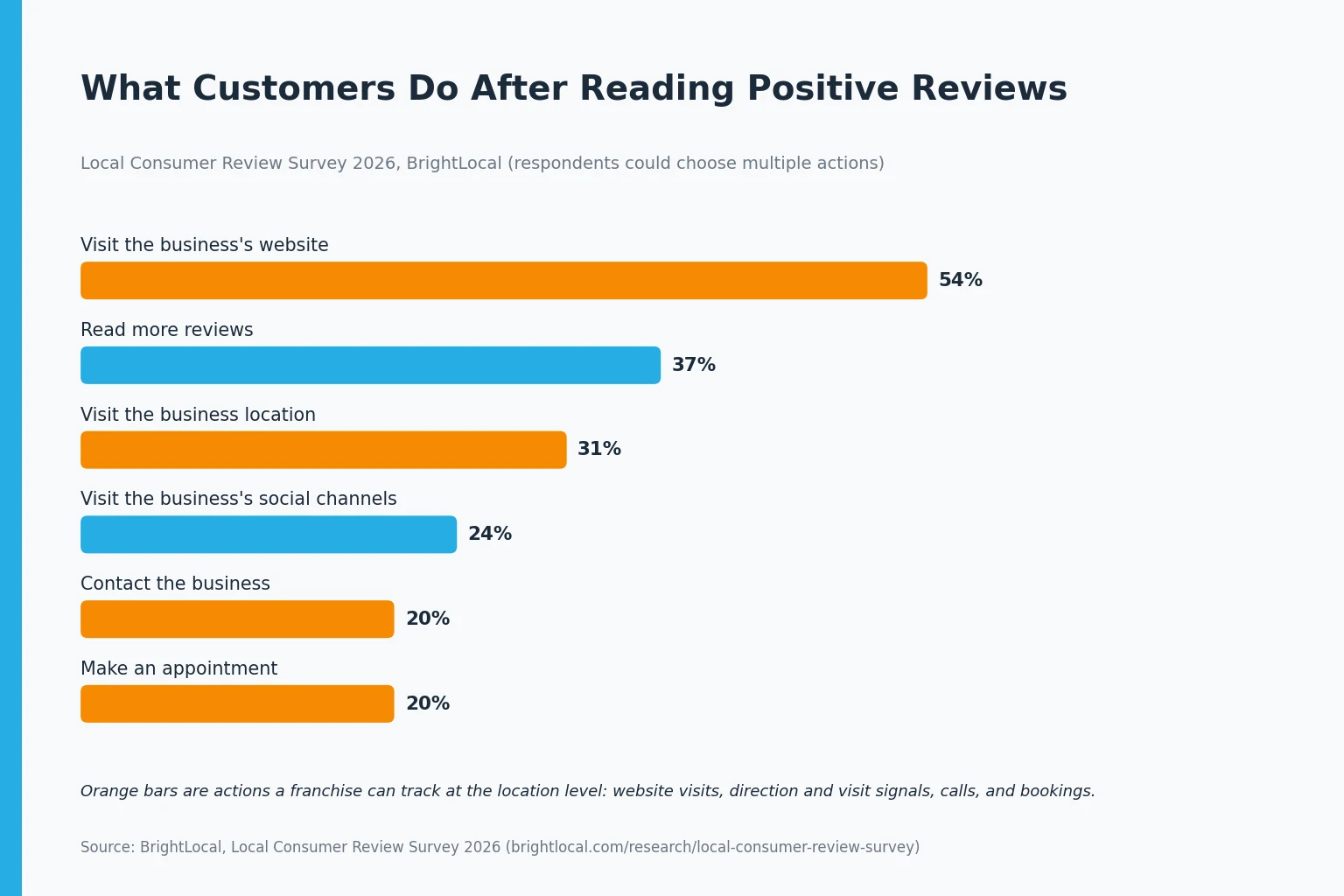
Reviews are the next lever. In Whitespark’s 2026 survey of local SEO experts, high star ratings and the number of Google reviews with text rank among the top 10 local pack factors. BrightLocal’s 2026 Local Consumer Review Survey adds the customer side: after reading positive reviews, 31% of consumers visit the business location and 54% visit its website.
A steady flow of genuine reviews is worth building into your routine, and a managed reputation management program makes it easier to keep up.
Pair that with ongoing local SEO services so nearby customers see your store first.
Geofencing for Retail: Targeted Campaigns for Franchises
Location-based marketing serves digital ads to mobile devices inside a defined geographic area, so you can reach local consumers who never walk past your building. Geofencing creates a virtual net around high-traffic areas such as competitor locations, busy office parks, and crowded shopping centers. When people enter those zones, they see a targeted offer for your location, so make it compelling enough to change their plans.
Google Ads offers related options. Its location targeting supports a radius around a location with a minimum of 1 km, and Google notes that a very small radius may show ads intermittently. Location data is collected with user permission, so choose vendors that handle consent properly.
Professional PPC management helps keep those campaigns tight and efficient.
Track which zones lead to actual store visits, since some platforms offer store visit measurement to eligible advertisers. Adjust your boundaries regularly based on that data.
How to Launch a Geofencing Campaign
- Define your target zones. Identify competitor locations, high-density office parks, and busy retail centers within about five miles of your store. Start with tight boundaries around specific buildings to reduce wasted spend.
- Craft compelling offers. Design ads with a clear discount or free item that motivates an immediate visit, and include a simple map or directions to show how close you are.
- Monitor conversion metrics. Use your advertising platform’s attribution to measure actual store visits, and keep the zones that deliver.
Customer Acquisition: Expanding Revenue Channels Beyond Walk-Ins
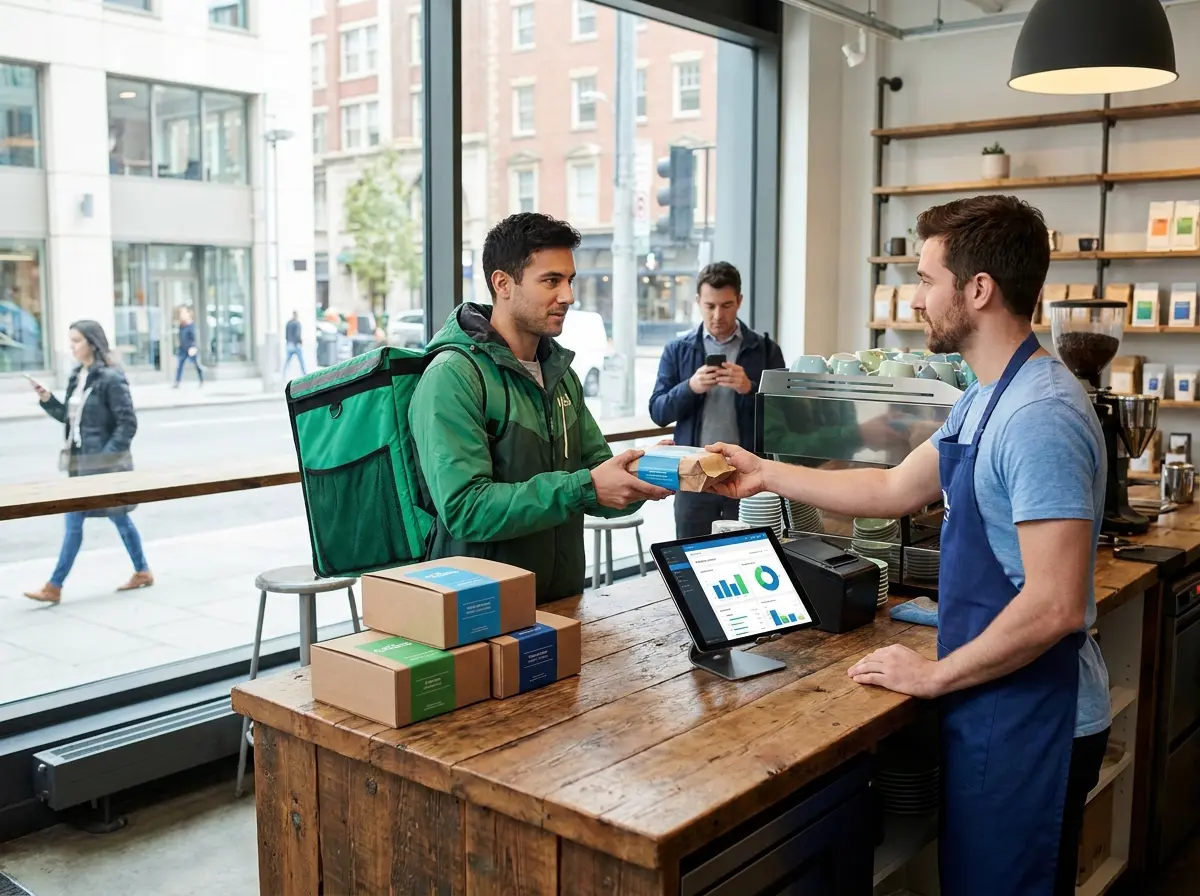
A quiet sales floor or empty dining room is spare capacity. You can fulfill remote orders without disrupting in-store customers, which turns a hidden location into a fulfillment center. Many franchise operators survive on revenue generated outside their four walls, and diversification also protects you from seasonal dips and bad weather.
| Revenue channel | How it helps a low-traffic location |
|---|---|
| Local search | Captures high-intent customers who are already looking for what you sell nearby |
| Geofencing and radius ads | Puts offers in front of nearby shoppers who never pass your door |
| Delivery apps | Reaches customers who care about product and speed, not street visibility |
| Corporate catering and B2B | Creates predictable, repeat orders from local offices and organizations |
Revenue Diversification: Delivery and Third-Party Apps
Partnering with major delivery networks connects you to thousands of active consumers right away. Customers browsing those apps care about quality and delivery speed, not your street visibility. Optimize your menu or catalog for the mobile environment, with clear item descriptions, your most popular products up front, and professional photography, because strong images raise conversion when users scroll through dozens of competing options.
Consider sponsored promotions inside the apps to boost early visibility, such as free delivery or a percentage discount. Calculate margins carefully first, because high commission fees can erase profit if you do not adjust your pricing. Excellent service and accurate orders then sustain your ranking on the platform over time.
B2B Sales for Franchises: Building Relationships and Catering
Corporate clients often place large, predictable orders. Reach out directly to local office managers, medical sales representatives, and event planners in your territory, and drop off samples and materials during slow hours to build goodwill. A single catering account can become a meaningful source of recurring monthly revenue, and follow-up through email marketing keeps your brand in front of those contacts.
Many franchisees skip direct sales because they expect the brand name to bring traffic. That leaves an opportunity for operators willing to pick up the phone and network locally. Block time each week for prospecting and long-term relationship building.
Franchise Business Growth: Optimizing Operations for Low Volume
High rent combined with low daily sales creates a cash flow crisis, so streamline operations quickly to protect margins. Efficient management extends your financial runway while your growth strategies take hold.
Are you staffing for the rush you wish you had instead of the one you get? Adjust schedules to your actual hourly sales data and historical transaction trends. Lean scheduling cuts your largest variable cost without hurting the customer experience during predictably slow periods.
Cross-train your team so each person can handle several roles in a shift. One trained employee can manage inventory, process sales, and pack delivery orders during a quiet afternoon. Labor productivity matters most when transaction volume falls below the franchise’s projections.
Local Store Marketing: Evaluating Lease and Franchisor Support
If structural problems with the site prevent profitability, review your commercial lease. Landlords often prefer a temporary rent reduction to a vacant property, so approach your property manager with your documented foot traffic data.
Contact your franchisor early to ask for guidance and possible support. Corporate offices have performance data from many locations and may offer temporary royalty relief or access to local marketing funds. Review your Franchise Disclosure Document and franchise agreement to understand your rights, since the FTC’s Franchise Rule compliance guide explains what the document must disclose. These documents also cover territory, renewal, and transfer terms that matter if you consider relocating or selling. This is general information, not legal advice, so consult a franchise or real estate attorney before making lease or contract decisions.
For an outside view of how visible your store is online, a free SEO audit is a practical starting point.
Low Foot Traffic Franchise Locations FAQs
How long does it take to improve foot traffic at a hidden location?
It varies by market and starting point. Profile and listing fixes can help within weeks, local SEO builds over several months, and paid campaigns such as geofencing can start producing data sooner, so test them and keep the zones and offers that work.
Can I break my commercial lease if foot traffic is lower than expected?
Breaking a commercial lease usually carries significant penalties unless your lease includes a specific co-tenancy or sales performance clause. Talk to a real estate attorney and try to negotiate a rent reduction before considering a break.
Should I increase my traditional marketing budget for a low-traffic location?
Usually not. Signs, billboards, and print offer limited return for a hidden location. Redirect that budget toward targeted digital advertising and local search optimization where intent is higher.
How do I negotiate with my franchisor for royalty relief?
Bring financial statements, objective foot traffic data, and a clear turnaround plan. Franchisors are more receptive when they see an owner actively working to improve sales, and your franchise agreement will show what relief options exist.
What is the most effective digital marketing strategy for hidden storefronts?
A fully optimized Business Profile combined with a steady flow of genuine reviews is the strongest long-term foundation, because it helps customers find you online before they ever drive to your area. Targeted ads then add reach.
Is geofencing worth it for a single franchise location?
It can be, if you keep boundaries tight, use a clear offer, and measure store visits. Start with a small test budget, check which zones lead to visits, and expand only what proves out.
Running a hidden franchise location takes resilience and strategic thinking. You cannot rely on pedestrian visibility or the draw of the corporate brand, so success depends on proactive digital customer acquisition and strong operational discipline.
A destination model gives consumers a reason to visit, and delivery networks and corporate catering generate revenue independent of your storefront. Digital outreach and targeted mobile advertising should replace traditional physical marketing, and gathering your performance data lets you open honest conversations with your landlord and franchisor. If you want a partner on the marketing side, explore franchise digital marketing services.
To talk through your own location, talk with a franchise marketing specialist.

Turn Your Franchise Location Into a Customer Destination
We help franchise businesses improve local visibility, generate qualified traffic, and grow revenue with scalable digital marketing and franchise SEO solutions.